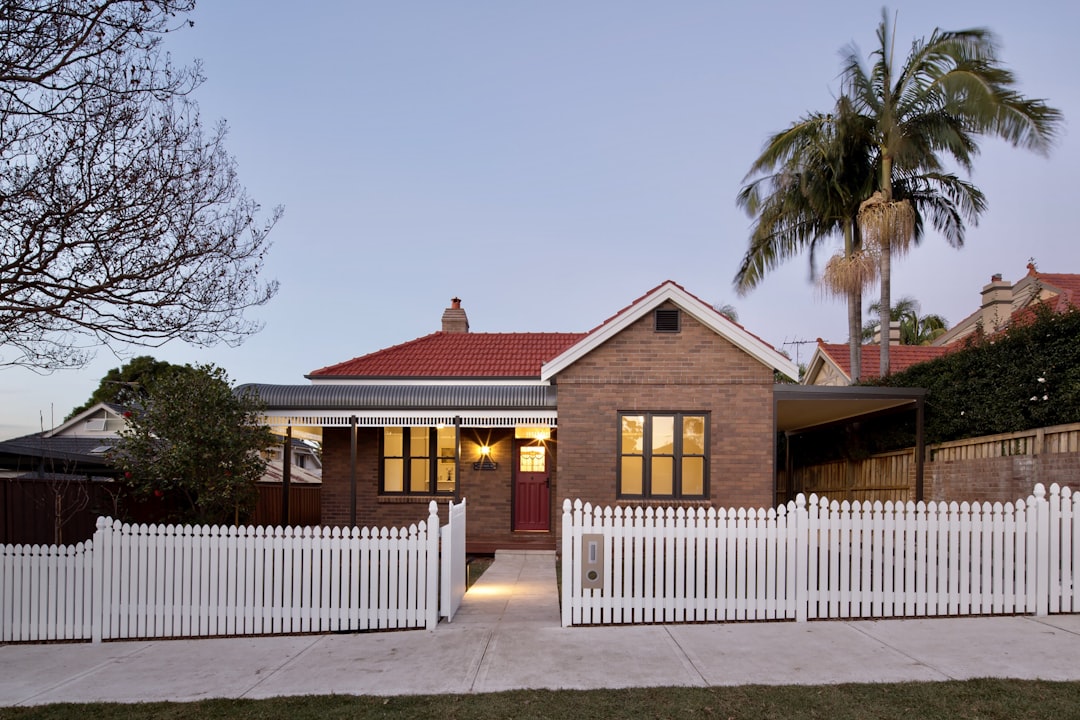


Quick answer: Building usually works out cheaper in growth corridors where you can claim FHOG and save on stamp duty. Buying tends to win in established suburbs where land alone costs a fortune. Where the maths tips depends entirely on your location.
You already know this is a big decision. What you probably don’t know is how different the numbers actually look once you factor in stamp duty exemptions, grants, and the hidden costs on both sides. So let’s walk through it properly.
Financial Comparison
| Factor | Building New | Buying Established |
|---|---|---|
| Purchase price | Land + build (often similar total) | Single purchase price |
| Stamp duty | On land only (save $15K–$40K) | On full purchase price |
| FHOG | Yes — $10K–$30K depending on state | No (established homes don’t qualify) |
| Total upfront saving | $25K–$70K saved | — |
| Hidden costs | Site costs, landscaping, connections ($50K–$150K) | Renovation, repairs, updates ($20K–$100K) |
| Insurance | Builder’s warranty + home warranty | Building + contents only |
| Energy costs | Low (7-star NatHERS minimum) | Higher (older homes less efficient) |
| Maintenance (first 5 years) | Minimal (everything is new) | Higher (older systems, repairs) |
Total Cost Comparison: Same Budget, Different Approach
Scenario: $700,000 total budget in Melbourne
| Building | Buying | |
|---|---|---|
| Land/Property | $300K (land) + $400K (build) = $700K | $700K (house) |
| Stamp duty | $10,070 (on $300K land) | $37,070 (on $700K) |
| FHOG (first home buyer) | -$10,000 | $0 |
| Net upfront cost | $700,070 | $737,070 |
| Saving from building | $37,000 | — |
And that $37K gap doesn’t account for the structural warranty and 7-star energy rating you get with a new build, or the fact that you actually chose the floorplan. The established home? You’re inheriting someone else’s renovation decisions from 2003.
The Pros and Cons
Building a New Home
Pros
- ✓ Complete customisation — your layout, finishes, style
- ✓ Stamp duty savings — pay on land only, save $15K–$40K
- ✓ FHOG eligible — $10K–$30K depending on state
- ✓ Modern standards — 7-star energy rating, current codes
- ✓ Full warranty — structural 6+ years, non-structural 2 years
- ✓ No renovation costs — everything is new
- ✓ Modern design — open plan, smart wiring built in
Cons
- ✗ Long timeline — 12–24 months to move in
- ✗ Temporary accommodation — need to rent during build
- ✗ Hidden costs — site costs, landscaping add $50K–$150K
- ✗ Decision fatigue — thousands of choices to make
- ✗ Builder risk — delays, disputes, insolvency
- ✗ Growth corridors — affordable builds are in outer suburbs
Buying an Established Home
Pros
- ✓ Fast — settlement in 30-90 days
- ✓ Established neighbourhood — schools, shops, transport
- ✓ Character and charm — features you can’t replicate
- ✓ Renovate over time — spread costs over years
- ✓ Known costs — price is the price (mostly)
- ✓ Inner suburbs — more available in premium locations
Cons
- ✗ Full stamp duty — on the entire purchase price
- ✗ No FHOG — established homes don’t qualify
- ✗ Hidden defects — structural, asbestos, electrical
- ✗ Renovation costs — most need $20K–$100K+ updates
- ✗ Lower energy efficiency — higher running costs
- ✗ No warranty — unless recently built
- ✗ Compromise — layout is fixed unless you renovate
When Building Makes More Sense
Building favours people with time and a tolerance for decisions. If that’s you, here’s when the numbers line up:
- You’re a first home buyer (FHOG + stamp duty exemption)
- You’re building in a growth corridor (land is affordable)
- You want complete control over the design
- You have 12-24 months before you need to move in
- You can handle thousands of decisions (you’ll be making them constantly)
- You value energy efficiency and modern design
Building sounds right? See what it'll cost
Free calculator with suburb-specific data, site cost estimates, and total project budgeting.
When Buying Makes More Sense
Buying favours people who need certainty and speed. You pay more upfront in stamp duty, but you skip the 12-month wait and the stress of managing a build:
- You need to move quickly (within 3 months)
- You want to live in an established suburb with amenities
- You love character homes (period features, mature gardens)
- You prefer to renovate over time rather than build from scratch
- You can’t find affordable land in your preferred area
- The total cost of land + build exceeds buying established in your target area
The Hybrid: Knockdown Rebuild
There’s a third option that more people are choosing: knock down what’s there and start fresh. You keep the suburb and the school zone, but get a house that actually fits your life.
- Keep your location (established suburb, good schools, close to work)
- Get a brand-new home (modern design, energy efficient, full warranty)
- May qualify for FHOG (if the new home meets criteria)
- Stamp duty already paid (if you already own the land)
Budget $420K to $1.8M+ depending on the build. We break down the full cost in our knockdown rebuild guide.
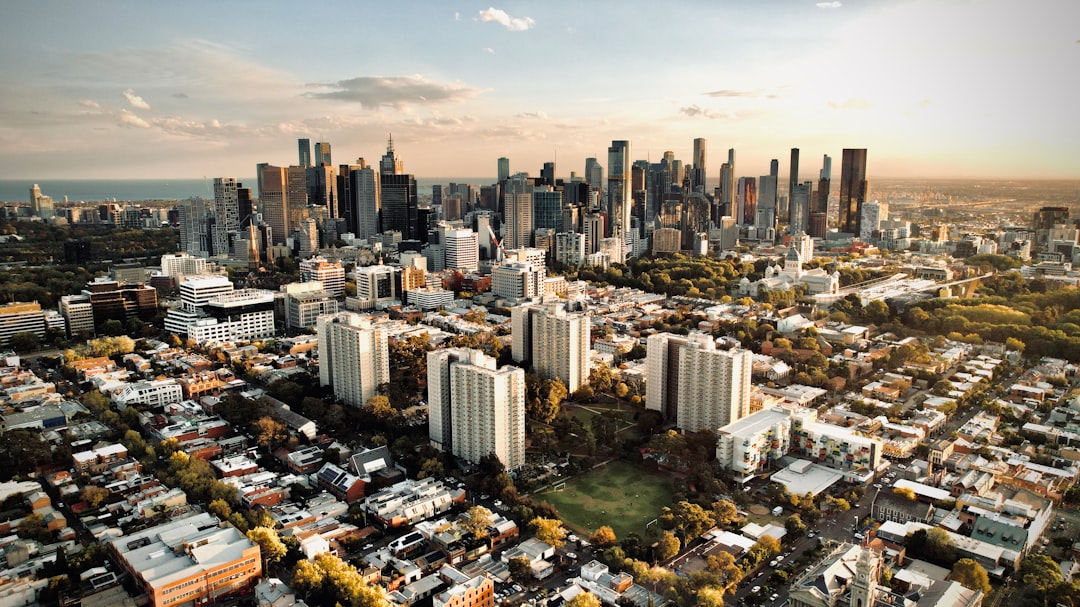
Location is the biggest factor in build vs buy
Growth corridors favour building; established suburbs favour buying
Frequently Asked Questions
Is it really cheaper to build in 2026?
In growth corridors, yes, it usually is. The stamp duty and FHOG savings ($25K–$70K) tip the balance even when the headline price looks similar. In established suburbs? Often not. Land is expensive, demolition adds cost, and site prep on older blocks can blow out fast.
How do running costs compare?
New homes built to the 7-star NatHERS minimum use noticeably less energy for heating and cooling. We’re talking $1,000–$3,000 per year less compared to an older home sitting at 4-5 stars. Over a decade, that’s a second bathroom renovation.
What about capital growth?
Location drives capital growth, not whether the house is new or old. That said, new builds in outer growth corridors often appreciate slowly in the first few years because the suburb is still catching up with infrastructure, schools, and retail. Once amenities arrive, growth tends to normalise.
Based on Q1 2026 market data. Your numbers will look different depending on location, grants, and what you’re actually comparing. Talk to a financial adviser before making the call.
Related Guides
- Cost to Build in Melbourne — Detailed Melbourne costs
- Cost to Build in Sydney — Sydney building costs
- First Home Owner Grant VIC — $10,000 VIC grant
- Stamp Duty VIC — How to save on stamp duty